Sedation Services
for a Relaxed Dental Experience
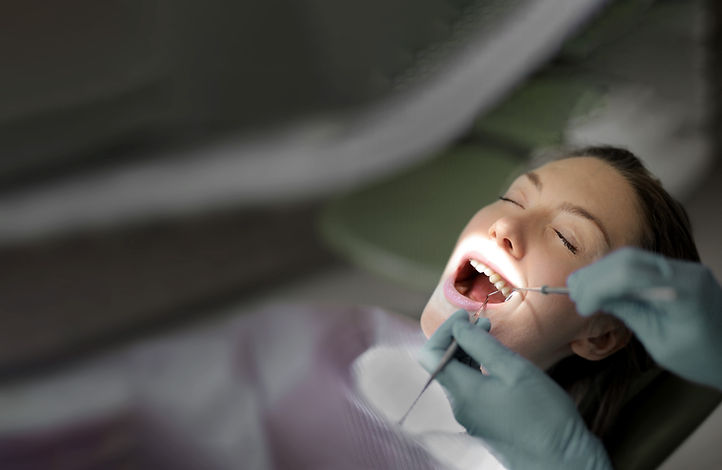
Sedation dentistry helps patients who experience dental anxiety, sensitive gag reflex, or require longer/multiple procedures.
Sedation dentistry is ideal for patients:
Who are nervous or anxious.
Who have sensitive teeth.
Have a low pain threshold.
Have a sensitive gag reflex.
Need short or long oral surgery.
Type of
Dental Sedation Options
Standard for pain control (included)
Local Anesthesia
-
Included free with every procedure (even cleanings)
-
Completely numbs the tooth and gum
-
Zero pain during treatment
-
You stay fully awake and in control

Afraid of needles?
We apply numbing gel first so you barely feel the injection!
Optional for relaxation (extra cost)
Nitrous Oxide

Oral Sedation

IV Sedation

General Anesthesia

Local Anesthesia (Freezing)
No sedation effect
​​
​
Fully awake
​​
​​​​​
​
​
Full memory
​​​​​​
​
Injection near treatment site (numbing gel first if afraid of needles)
​
Starts in a few minutes
​
Numb area; no pain, only pressure
​​
​​
​
​
No supervision needed
​​
​
​
​
Best for minimal anxiety
​​
​​
​
Doesn’t reduce anxiety; may not fully numb infected teeth
​​
​
​
​
No extra charge
Nitrous Oxide
(Laughing gas)
Mild sedation
​
​
Fully awake and can talk
​​
​​​​
​
Full memory
​​​​​​
​
Breathing mask over nose
​​​
​
​
Starts in about 15 minutes
​
Feels calm, warm, sometimes happy; wears off in minutes
​​
​
No supervision needed
​​
​
​
​
Best for mild anxiety and short visits
​​
​
Doesn’t work well if nose is stuffy; not strong enough for high anxiety; may cause headache/nausea if used >90 min
​
Cost: $200+
Oral Sedation (Halcion, Ativan, Triazolam)
Mild to moderate sedation​
​
Conscious but very drowsy (may need gentle waking)
​​​​
Mostly full memory
​​​​
​
Taken as a pill (swallowed or under tongue)
​​​​
Starts in about 1 hour
​
Feels calm, relaxed, sleepy, sometimes euphoric + muscle weakness
​
Must have ride home + someone to watch you for 24 hours
​
Best for moderate anxiety
​​
​
Dose can’t be adjusted once taken; effects vary person-to-person; groggy up to 24 hours
​
Cost: Around $200
IV
Sedation (Intravenous Sedation)
Moderate to deep Sedation
​
Conscious but very sleepy (may need gentle waking)
​
​
​Partial or little memory
​
Given through IV in arm (same family of drugs as oral, but controllable)
​​​​
Starts in a few minutes
​​​​
Feels deeply relaxed; dose can be adjusted instantly during treatment
​
Must have ride home + someone to watch you for 24 hours
​​
​
Best for moderate to severe anxiety and longer procedures
​
Groggy and loopy up to 24 hours
​​
​
​​
​
​
​
Cost: $800+
General Anesthesia (GA)
Deep Sedation
​
​
Completely unconscious
​
​
​
No memory at all
​
​
IV drugs + breathing tube by licensed anesthesiologist
​
Starts immediately
​
​
No awareness during procedure
​
​
​
​
Must have ride home + someone to watch you for 24 hours
​
​
Best for extreme anxiety or complex surgeries
​
​
Higher medical risks (reviewed by anesthesiologist); requires referral; highest cost
​​
​
​
Cost: $2,000+
Local Anesthesia (Freezing)
How It’s Given
An anesthetic drug is administered via an injection near the specific treatment site.
Feeling
The treatment site feels numb, eliminating pain. You will still feel pressure and remain fully awake and aware throughout the procedure. There is no sedation effect.
Use Case
Ideal for patients with minimal anxiety whose primary concern is pain management. It is the standard method for most routine dental work (fillings, crowns).
Setting
Available in all dental practices. No supervision is needed after the appointment, and you can drive yourself home.
Heading 4
Sedation Services
Patients who are anxious about their dental appointment, have a severe gag reflex or require a long procedure, sedation dentistry is a safe and simple option. Dr. Albert Tung is one of a few dentists in Calgary with general anesthetic privileges at the Riverview Surgical Center. This allows him to perform longer dental procedures which are ideal for children who require sedation under general anesthetic.
​
​
​
Sedation dentistry is ideal for patients:
​
-
Who are nervous or anxious.
-
Who have sensitive teeth.
-
Have a low pain threshold.
-
Have a sensitive gag reflex.
-
Need short or long oral surgery.
​
Types of sedations services available:
​
Nitrous Oxide Sedation: Commonly known as “laughing gas”, nitrous oxide is a mild form of sedation and is inhaled through a soft nasal mask, making the patient more relaxed and free from anxiety during their dental procedures.
​
Oral Sedation: Considered to be a light to moderate form of sedation. Prescribed medication is taken orally to reduce anxiety during the dental procedure. Patients may sleep or doze off during but can be conscious and responsive. The effects last longer then Nitrous oxide and will require a companion to drive them to and from their appointment and help monitor for up to 24 hours.
​
Intravenous Sedation (IV): An ideal technique for patients who require a deeper level of sedation. Patients may still be conscious and can respond, but often do not recall much of the procedure. The medication is administered intravenously and monitored by an advanced certified anesthesiologist.
General Anesthetics: The deepest level of sedation where patients will be unconscious. Dr. Albert Tung has special privileges to a general anesthetic surgical suite at the Riverview Surgical Center where he can perform a variety of dental procedures under general anesthetics. This is ideal for long complex procedures and children who require sedation.
​
Children Sedation:
​
Some children have terrible fear of the dentist and simply refuse to cooperate. If this is the case, sedation dentistry may be a good option to help make a better dental experience. Nitrous oxide is safe for most children and is routinely used to treat younger patients. Oral sedation can be used as long as the dosage is administered properly. Intravenous sedation and General Anesthetics are also options, and will be administered and monitored accordingly.
​
What to expect:
​
Follow your specific instructions from your dentist during your pre-op consultation as they will be more specific to your needs based on your medical history and lifestyle. The following instructions are general guidelines and tips:
​
Pre-procedure guidelines:
​
-
No food or water 6 hours prior to your appointment.
-
Do not use illegal drugs or consume alcohol prior.
-
Inform us of any prescription drugs you are taking.
​
Post-procedure tips:
​
-
Have another responsible adult to assist taking you home as you will likely feel drowsy and unable to drive after your appointment.
-
Do not drive or operate heavy machinery for 24 hours after sedation.
-
Gradually eat and drink to help you return to your normal state.
-
Stay hydrated by drinking lots of fluids.
-
Recommendation to avoid smoking and alcohol consumption for 24 hours.
​
​
Contact us for more information.
​
​

